
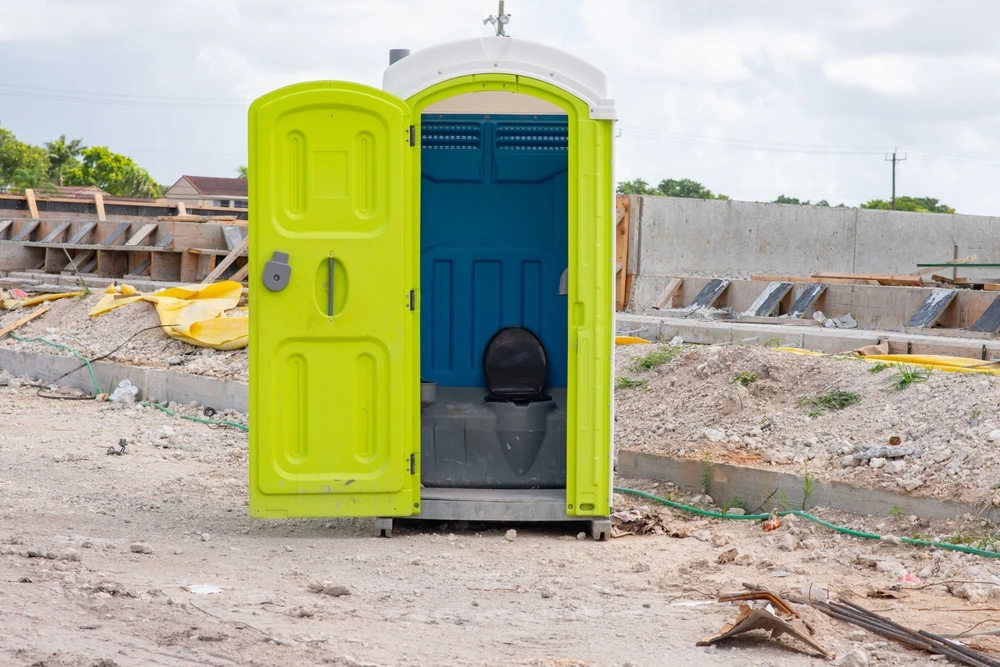
Temporary facilities planning is one of those things that only gets attention when something goes wrong. An inspector shows up. A neighbor complains. Crews lose time walking offsite. Service trucks can’t access restrooms. At that point, the fix usually costs more than doing it right from the start.
For contractors, temporary facilities are not a side detail. They are part of jobsite infrastructure. Planning them early helps avoid delays, protects productivity, and keeps projects compliant as crew size and schedules change.
What Counts as Temporary Facilities on a Construction Site
When people hear “temporary facilities,” they often think only of porta johns. In reality, most construction sites rely on several temporary systems working together.
Core temporary facilities typically include:
- Portable restrooms
- Handwashing or hand sanitation stations
- Temporary fencing and controlled access points
- Waste collection and debris containment
- Designated break or rest areas
- Temporary lighting and safety signage
Each of these affects site flow, inspections, and daily operations. Planning them together prevents conflicts later, especially on tight or phased sites.
From a sanitation standpoint, portable restrooms and handwashing access are the most regulated and the most visible. They are also the easiest to get wrong when planning is rushed.
Why Temporary Facilities Planning Is Often Undervalued
On many jobs, facilities planning happens after mobilization. The focus is on equipment delivery, materials, and subcontractor schedules. Restrooms get ordered late, placed wherever there’s space, and adjusted only when complaints start.
This creates predictable issues:
- Long walks to restrooms reduce labor efficiency
- Poor placement makes servicing difficult or impossible
- Insufficient quantities lead to unsanitary conditions
- Missed compliance details invite inspections or fines
Treating temporary facilities as part of the site plan, not an afterthought, avoids these problems.
Regulatory Requirements Contractors Must Account For
Temporary facilities planning is not optional. Federal, state, and local rules all come into play, with OSHA being the baseline for most construction projects.
OSHA Sanitation Requirements
OSHA requires that employers provide adequate toilet facilities for workers. The required number of restrooms depends on the size of the crew and whether facilities are readily accessible.
Key points contractors need to plan for:
- Toilets must be available without unreasonable travel distance
- Facilities must be maintained in a sanitary condition
- Handwashing access is required where applicable
- Requirements scale as crew size increases
OSHA does not dictate exact placement or service schedules, which means contractors are responsible for making reasonable, defensible decisions.
You can review OSHA’s sanitation standards here.
State and Local Health Department Rules
In addition to OSHA, many states and municipalities impose their own requirements, especially for:
- Urban construction sites
- Long-term projects
- Sites near public spaces or businesses
These rules may address:
- Minimum restroom ratios
- Servicing frequency
- Waste handling and disposal
- Accessibility considerations
Contractors should verify local expectations during pre-construction planning, particularly for commercial or public-facing projects.
Planning Based on Project Type and Duration
Temporary facilities planning looks different depending on the scale and timeline of the project. Applying the same approach to every job is a mistake.
Small Residential and Short-Term Projects
For small crews on short timelines, facilities planning is straightforward but still important.
Key considerations:
- Number of workers onsite at peak
- Expected duration of work
- Access for delivery and servicing
- Minimizing disruption to homeowners or neighbors
Even for short projects, facilities must be placed intentionally so they remain accessible and serviceable throughout the job.
Mid-Size Commercial Projects
Commercial projects introduce more complexity:
- Multiple crews
- Overlapping phases
- Longer timelines
Facilities should be planned with growth in mind. A setup that works during early phases may become inadequate once additional trades arrive.
Contractors should plan for:
- Scalable restroom quantities
- Clear servicing access routes
- Placement that remains viable as the site changes
Large or Long-Term Construction Sites
On long-term or multi-phase projects, temporary facilities function almost like permanent infrastructure.
Planning should include:
- Regular service schedules
- Relocation plans as phases shift
- Buffer capacity for schedule changes
- Visibility to inspectors and the public
On these sites, poor planning compounds over time and becomes expensive to fix.
Early Decisions That Prevent Mid-Project Problems
The most effective facilities plans are made before ground is broken. A few early decisions can prevent months of frustration.
Determine Peak Crew Size Early
Facilities should be planned for peak staffing, not average days. Underestimating early almost always leads to rushed additions later.
Coordinate with Site Layout Plans
Restroom placement should be coordinated with:
- Equipment staging
- Dumpster placement
- Traffic flow
- Safety zones
This prevents conflicts that force relocations later.
Plan for Servicing Access
Service trucks need space to reach units safely. Tight access or blocked routes lead to missed service, complaints, and emergency calls.
Why Contractors Benefit from Proactive Facilities Planning
When temporary facilities are planned correctly:
- Crews spend less time off task
- Inspections go smoother
- Complaints decrease
- The site appears more professional
- Adjustments are easier as the project evolves
These benefits add up, especially on longer projects where small inefficiencies compound.
Site Layout and Placement Strategy
Placement is one of the most common failure points on construction sites. A restroom that technically exists but is poorly placed still causes productivity loss.
Prioritize Worker Access Without Disrupting Operations
Facilities should be close enough to reduce walk time but far enough to avoid interfering with:
- Active work zones
- Equipment staging
- Material deliveries
Long walks add up. Crews leaving the site to find restrooms offsite adds even more lost time and liability exposure.
Maintain Clear Service Truck Access
Service access must be planned, not improvised. Contractors should confirm:
- Clear approach paths
- Adequate turning radius
- No overhead obstructions
- Ground conditions that support service vehicles
Blocked access leads to skipped servicing, which creates sanitation issues and complaints quickly.
Plan for Site Changes
Construction sites are dynamic. Placement that works during early grading may not work once structures go vertical.
Good plans include:
- Identified relocation zones
- Coordination with phase schedules
- Avoiding dead-end placements that become inaccessible
Relocations cost time and money when not planned ahead.
Servicing, Cleaning, and Maintenance Planning
Facilities that are not serviced consistently create problems fast. Contractors should not rely on minimum service assumptions.
Set Service Frequency Based on Reality
Service schedules should reflect:
- Crew size
- Shift length
- Weather conditions
- Site intensity
Higher usage requires more frequent servicing. Ignoring this leads to unsanitary conditions and worker dissatisfaction.
Adjust as the Project Evolves
Crew sizes change. Schedules slip. Overtime gets added.
Facilities planning must be reviewed whenever:
- Additional trades arrive
- Work hours extend
- Seasonal conditions change
Failing to adjust service frequency is one of the most common reasons contractors get complaints or inspection attention.
Budgeting and Cost Control Without Cutting Corners
Temporary facilities are a small line item compared to labor and equipment, but poor planning can still drive unnecessary costs.
What Drives Facility Costs
Costs are influenced by:
- Number of units
- Length of rental
- Service frequency
- Relocations and emergency service calls
Late changes almost always cost more than planned adjustments.
Avoid the “Minimum Now, Add Later” Trap
Underestimating needs to save money early often backfires. Adding units mid-project, especially under pressure, typically costs more than planning for them upfront.
Smart budgeting accounts for:
- Peak crew size
- Schedule extensions
- Seasonal impacts
This approach reduces surprises and emergency expenses.
Coordinating Facilities with Other Site Logistics
Temporary facilities do not exist in isolation. They interact with other site infrastructure.
Align with Waste and Dumpster Placement
Restrooms and dumpsters often share service access routes. Poor coordination can block one service while accommodating the other.
Planning both together helps:
- Maintain clear access
- Reduce traffic conflicts
- Improve overall site organization
Consider Traffic Flow and Safety
Facilities should not force workers to cross active equipment paths unnecessarily. Placement should support safe movement patterns and minimize exposure to hazards.
Common Temporary Facilities Planning Mistakes
Most problems come from predictable mistakes contractors make repeatedly.
Waiting Until After Mobilization
Facilities ordered late are often placed poorly and rushed into service without proper planning.
Underestimating Crew Growth
Projects rarely stay at initial staffing levels. Planning only for early phases creates shortages later.
Ignoring Service Access
Blocked or narrow access routes cause missed service and complaints.
Treating Sanitation as a Checkbox
Minimum compliance does not equal effective planning. Facilities should support productivity, not just satisfy rules.
When to Reassess and Update the Facilities Plan
Facilities planning is not a one-time task. Contractors should reassess during:
- Phase transitions
- Schedule changes
- Crew size increases
- Extended timelines
- Seasonal weather shifts
Proactive reassessment prevents problems instead of reacting to them.
Why Proper Planning Protects Productivity and Reputation
Well-planned temporary facilities support:
- Consistent work output
- Cleaner, more professional sites
- Smoother inspections
- Fewer complaints from workers and neighbors
- Better relationships with inspectors and project owners
These benefits compound on longer projects and help contractors maintain control over their sites.
Health and Hygiene Considerations on Active Jobsites
Beyond compliance, sanitation impacts worker health and morale. Poor conditions increase the risk of illness spreading through crews, especially on dense sites.
Public health agencies emphasize access to sanitation and hand hygiene in work environments. The Centers for Disease Control and Prevention provides guidance on workplace hygiene practices that support healthy jobsite conditions.
Temporary facilities may be temporary, but their impact is not. Contractors who plan early, place facilities intentionally, and adjust as projects evolve avoid many of the issues that slow jobs down and create unnecessary costs.
Treating temporary facilities as part of the site plan rather than an afterthought keeps projects compliant, productive, and professional from start to finish.
Need a rental?
Get a Custom Quote for Your Site or Event.
Tell us what you need and we'll respond quickly.